
 By David Pike
In a world where pets have become integral members of the family, the question of what to feed them has never been more critical. Pet food, often seen as a simple commodity, carries far greater significance than many pet owners realize. The right diet is not only essential for your pet’s growth and well-being but also for ensuring they live long, healthy lives. As we continue to deepen our understanding of pet health and nutrition, the variety of pet foods available can seem overwhelming. From dry kibble to wet food, raw diets to grain-free options, choosing the right food for your pet requires careful consideration of their unique needs, preferences, and health.
The Evolution of Pet Food: A Changing Landscape
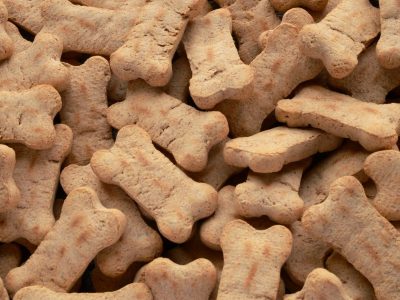
The history of pet food is surprisingly recent. For most of human history, pets were fed leftovers or scraps from the household table. However, as pet ownership became more widespread in the 19th and 20th centuries, so did the need for specially formulated diets. The pet food industry as we know it began to take shape in the 1860s when James Spratt, a British man, created the first commercially available dog biscuit. This product, intended to be more nutritious than table scraps, was a simple blend of meat, vegetables, and grains. The idea caught on quickly, and by the early 20th century, pet food became an industry in its own right.
Today, the pet food market is a multi-billion-dollar industry offering an extensive range of products designed to meet the diverse nutritional needs of various species, breeds, and life stages. However, despite this wealth of options, understanding what goes into a good pet food product and how to evaluate its quality remains a challenge for many pet owners.
Understanding Pet Nutrition: The Building Blocks of a Healthy Diet
Like humans, pets require a balanced diet to maintain optimal health. Their nutritional needs can differ depending on their species, age, size, and health conditions. For instance, cats are obligate carnivores, meaning their diet should consist mainly of animal-based protein, while dogs are omnivores and can thrive on a more varied diet. Understanding these distinctions is the first step in choosing the right food.
1. Protein: The Cornerstone of Animal Nutrition
Protein is one of the most essential components of any pet’s diet. For carnivores like cats, protein should make up the majority of their food. It provides the amino acids necessary for muscle growth, immune function, and overall cellular repair. For dogs, protein is equally important, although they can also derive nutrition from plant-based sources, such as grains and legumes.
High-quality animal protein—whether from chicken, beef, lamb, or fish—should be at the forefront of any pet food formulation. The source of the protein matters: meat meals (which are rendered, dehydrated meats) are often higher in protein content compared to by-products, which are the lesser cuts or unappetizing parts of the animal.
2. Fats and Omega Fatty Acids: For Healthy Skin, Coat, and Joints
Fats are another crucial macronutrient that pets require in their diet. Not only are fats a dense source of energy, but they also contribute to the health of your pet’s skin and coat. In addition to providing essential fatty acids like Omega-3 and Omega-6, fats help support the nervous system, brain function, and joint health.
Salmon oil, chicken fat, and flaxseed are common sources of beneficial fats in pet foods. Omega-3 fatty acids, in particular, are highly valued for their anti-inflammatory properties and their ability to support cognitive function, making them especially important for aging pets.
3. Carbohydrates: Energy and Digestive Health
While pets are often viewed as carnivores, carbohydrates play a significant role in their diet, particularly for dogs. Carbs provide a readily available source of energy and help with the functioning of the digestive system. Whole grains like brown rice, oats, and barley are popular choices for dog food, providing fiber and other nutrients that aid in digestion.
Cats, on the other hand, have a limited ability to digest carbohydrates. While they can tolerate small amounts of grains and vegetables, a diet too high in carbs can lead to obesity and other health issues. Therefore, high-protein, low-carbohydrate foods are generally recommended for felines.
4. Vitamins and Minerals: Maintaining Overall Health
Vitamins and minerals are essential for maintaining your pet’s health. Vitamins like A, D, and E support the immune system, bone health, and skin health, while minerals such as calcium, phosphorus, and potassium are crucial for bone structure, heart function, and muscle contraction.
Many high-quality pet foods will contain a balance of these vitamins and minerals, often derived from natural sources like fruits, vegetables, and animal tissues. For instance, carrots, sweet potatoes, and spinach are excellent sources of vitamins, while minerals like calcium may come from fish bones or ground-up eggshells.
Choosing the Right Pet Food: Factors to Consider
When selecting food for your pet, several factors should guide your decision. These include your pet’s species, age, health conditions, and personal preferences. While commercial pet foods are designed to meet the basic nutritional needs of animals, it is still important to read labels and make informed decisions.
1. Life Stage and Activity Level
The nutritional requirements of pets change depending on their age and activity level. Puppies and kittens, for example, require food rich in calories, protein, and fat to support their rapid growth and energy demands. Similarly, active dogs or working breeds may need a more calorically dense food to fuel their higher energy levels.
Senior pets, on the other hand, may require specialized food to address issues like joint health, dental care, or weight management. Many pet food brands offer formulations specifically designed for puppies, adults, and seniors, each with tailored nutrient levels.
2. Special Health Needs
Pets with special health concerns, such as allergies, obesity, or digestive issues, may require more specific dietary adjustments. Grain-free diets, for instance, are popular for pets with food sensitivities, although recent studies have raised questions about their long-term health implications. Similarly, pets with kidney disease may benefit from lower-protein, lower-phosphorus foods, while pets with joint issues might need foods supplemented with glucosamine and chondroitin.
3. Quality Ingredients: What to Look For
Not all pet foods are created equal, and understanding the ingredients is crucial when selecting a product. High-quality pet foods often list a specific animal protein source (such as “chicken” or “salmon”) as the first ingredient, rather than vague terms like “meat meal” or “poultry by-products.” Avoid foods with excessive fillers, such as corn, soy, or wheat, which offer little nutritional value and can contribute to weight gain.
Moreover, the addition of whole fruits and vegetables, such as blueberries, spinach, and sweet potatoes, indicates that the food is rich in essential vitamins, antioxidants, and fiber.
4. Wet Food vs. Dry Food: Pros and Cons
Pet food generally comes in two forms: wet (canned) and dry (kibble). Wet food is often more palatable for picky eaters and provides additional moisture, which can be beneficial for pets prone to urinary tract issues or dehydration. However, it can be more expensive and less convenient to store.
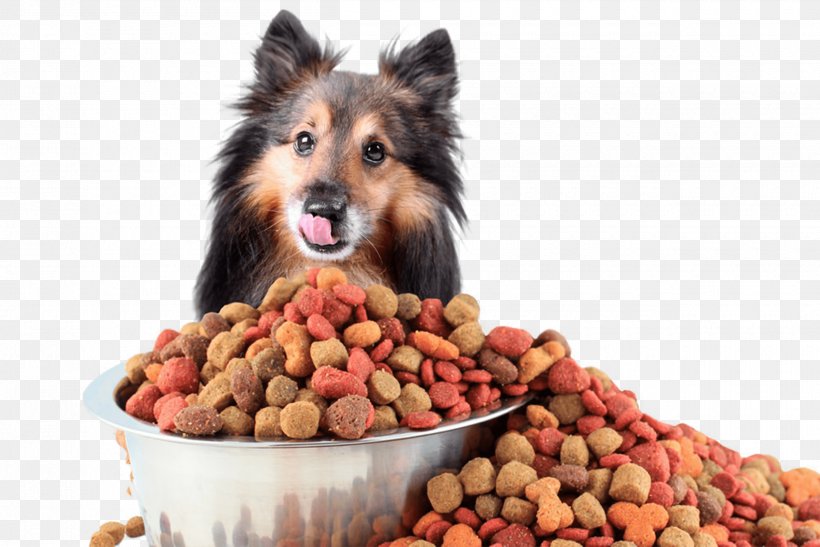
Dry food, on the other hand, is more affordable, easier to store, and can help promote dental health by reducing tartar buildup. However, it may not provide as much moisture and can sometimes be less appealing to finicky pets.
The Raw Diet Debate: Is It Right for Your Pet?
In recent years, raw diets have gained popularity among pet owners who believe that a more natural, unprocessed food choice is best for their pets. Raw food diets, often referred to as BARF (Biologically Appropriate Raw Food), typically consist of raw meats, bones, organs, vegetables, and fruits. Proponents argue that these diets are closer to what pets would consume in the wild and can promote healthier coats, better digestion, and more energy.
However, raw diets are not without controversy. They require careful preparation to ensure nutritional balance and to avoid harmful pathogens. Additionally, certain raw foods—like bones or unbalanced meals—can pose risks to your pet’s health. As such, raw feeding should only be undertaken with thorough research and consultation with a veterinarian.
Conclusion: The Heart of Responsible Pet Ownership
The food you choose for your pet plays a fundamental role in their health, longevity, and happiness. While the sheer number of pet food options on the market can be overwhelming, understanding the basic principles of pet nutrition, choosing quality ingredients, and tailoring your pet’s diet to their specific needs are essential steps in providing them with the best possible care. Ultimately, responsible pet ownership involves more than just feeding your pet; it’s about understanding their needs, fostering a strong bond with them, and ensuring they lead a healthy, fulfilling life.