 By David Pike
Cats often hide stomach discomfort until daily habits begin changing slowly. Some avoid regular meals while others become tired after eating small portions. Pet owners usually notice unusual behavior before serious digestive trouble appears. Paying close attention helps reduce ongoing discomfort before weakness grows stronger. Changes inside the litter area also reveal early stomach strain. Fur texture may appear dull because the body struggles to process nutrients properly. Knowing how to stop nausea in cats (猫 吐き気 止め) helps owners respond calmly during these difficult moments.
Reduced Daily Eating Patterns
A cat refusing normal meals for several days may struggle with stomach irritation. Digestive discomfort often creates hesitation before eating. Some animals sniff meals repeatedly yet walk away afterward. Appetite loss combined with unusual silence sometimes points toward deeper digestion problems needing dietary adjustment soon.
Frequent Vomiting During Evenings
Repeated vomiting after meals can suggest poor ingredient tolerance inside digestion pathways. Owners may notice liquid discharge or partially processed material regularly appearing near resting areas. Constant stomach upset weakens energy levels gradually while creating dehydration concerns requiring nutritional support quickly.
Sudden Weight Reduction Signs
Unexpected body reduction sometimes develops when nutrients fail to absorb correctly during digestion. Cats losing strength despite regular feeding schedules may require a gentler ingredient balance. Smaller stomach strain often improves after changing daily nutrition choices, supporting calmer digestion patterns inside.
Loose Waste Becoming Common
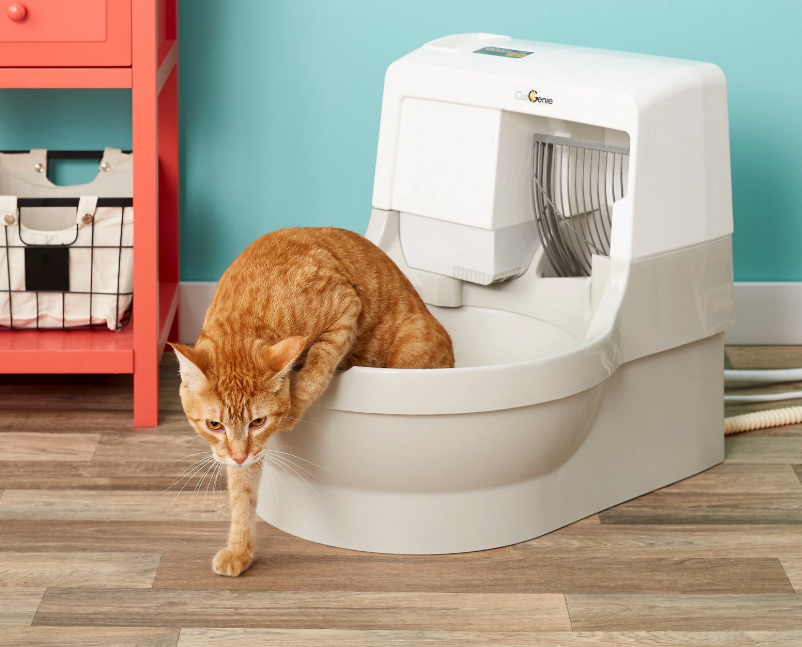
Frequent loose waste usually indicates irritation affecting digestion balance throughout the body. Persistent bowel changes may create weakness while reducing hydration stability slowly. Owners should observe litter habits because long periods of discomfort often require softer nutritional ingredients immediately.
Excessive Sleeping Through Afternoons
Cats experiencing stomach discomfort sometimes rest longer because digestive strain drains body energy steadily. Reduced movement combined with withdrawn behavior often signals internal uneasiness. Gentle nutritional adjustments may improve activity patterns while helping digestion operate more smoothly throughout regular daily routines.
Unusual Fur Texture Changes
Poor digestion occasionally affects coat condition because nutrients cannot be processed effectively inside the body. Dry fur or rough texture often appears alongside appetite problems. Better stomach support may improve nutrient absorption while helping the coat regain a healthier appearance over time naturally.
Strong Reactions After Meals
Some cats display discomfort immediately after eating ordinary meals each day. They may pace around rooms while appearing restless afterward. Sudden swallowing motions or repeated lip licking often reveal nausea developing from ingredients creating stomach irritation continuously inside digestion pathways.
Increased Water Bowl Visits
Stomach imbalance sometimes causes increased thirst because the body loses hydration frequently afterward. Cats visiting water bowls repeatedly may struggle with digestive discomfort connected to vomiting or loose waste. Balanced nutrition supports hydration stability while easing pressure affecting sensitive stomach activity gradually.
Quiet Behavior Around Family
Digestive irritation often changes emotional responses during normal household interaction periods. Cats may avoid attention while hiding longer than usual throughout the day. Reduced engagement combined with eating difficulty can indicate stomach sensitivity requiring supportive feeding choices to improve overall wellness steadily.
Helpful Daily Monitoring Habits
Careful observation helps owners respond before digestive discomfort becomes harder to manage later, safely.
- Watch litter changes every single morning carefully.
- Notice reduced movement during normal indoor activities.
- Check for texture near neck areas regularly.
- Observe swallowing patterns after regular feeding periods.
- Monitor water bowl usage throughout daytime hours.
Cats showing repeated stomach discomfort benefit from balanced feeding routines supporting digestion gently. Watching behavior changes closely helps owners react earlier before weakness develops further. Small adjustments often improve hydration stability while restoring energy naturally. Consistent observation combined with calmer nutritional choices may reduce repeated irritation affecting daily habits. Animals recovering from digestive strain usually respond better when feeding schedules remain predictable each day. Learning how to stop nausea in cats (猫 吐き気 止め) allows owners to recognize warning patterns sooner while creating safer routines supporting healthier stomach balance over longer periods naturally.