 By David Pike
Introduction
A dog’s nutritional needs don’t stay the same across their lifetime. A boisterous eight-week-old puppy, a healthy adult dog in the prime of their energy, and a quieter senior with stiffening joints are three very different animals — and the treats you give them should reflect that.
Most dog owners understand this principle in the context of meals. They buy puppy food for puppies, senior food for older dogs, and a breed-specific formula for their adult. But the same life-stage thinking rarely gets applied to treats, despite the fact that treats can make up a significant proportion of a dog’s daily caloric intake — particularly in households where training is active or where treats are used freely as a gesture of affection.
This guide covers what to look for in dog treats at every life stage, how treat requirements shift as dogs age, and why getting this right is a meaningful contribution to your dog’s long-term health.
Puppies: Building Good Habits From the Start
The puppy period — roughly the first 12 months for most breeds, up to 18–24 months for giant breeds — is the most critical window for nutrition, socialisation, and habit formation. What a puppy eats during this period shapes their relationship with food, their gut microbiome, and potentially their sensitivity to certain proteins for the rest of their life.
For treats, this has several practical implications.
Digestibility is the priority. A puppy’s digestive system is still maturing. Treats should be made from highly digestible ingredients — single-protein options are ideal because they reduce the risk of triggering a sensitivity before you’ve had the chance to identify one. Simple, clean dog treats made from a single named protein are far preferable to multi-ingredient products during this period.
Size matters enormously. Puppy teeth are small and still developing. Hard, dense chews appropriate for adult dogs can be genuinely dangerous for puppies — they risk dental fractures and choking. Soft, pliable treat formats work best.
Caloric density needs consideration. Puppies eat frequently and grow rapidly. Treats should be factored into their daily caloric allowance, not added on top of it. High-calorie treats given generously to a puppy whose meal portions aren’t adjusted can contribute to overfeeding and the associated developmental complications.
Training is intensive during this period. Puppies are in an almost constant state of learning — sit, drop, recall, toilet training, crate training, leash manners. Training treats need to be small, quick to eat (so sessions maintain momentum), and motivating enough to hold attention in a stimulating environment.
Adolescent and Adult Dogs: Performance and Variety
Once a dog has moved through the puppy stage and into adulthood — typically from 12 months onward for most breeds — treat selection becomes less about developmental sensitivity and more about lifestyle matching.
Activity level matters. A highly active dog running trails daily has different caloric needs from a dog whose exercise consists of a twenty-minute morning walk. High-value, higher-fat treats appropriate as a regular reward for an athletic dog could contribute to weight gain in a less active one.
Training continues. Many adult dogs remain in formal training programmes — obedience, agility, nose work, protection sports — and their owners continue to use treats as primary reinforcers. The same principles from the puppy stage apply here: small, quickly consumed, motivating, and digestibly clean. High-quality dog training treats made from single proteins allow trainers to reward generously without worrying about caloric overload or digestive upset mid-session.
Variety supports gut health. Introducing a range of protein types over a dog’s adult life — chicken, beef, kangaroo, fish, goat — keeps the gut microbiome diverse and reduces the risk of developing a sensitivity to any single protein through overexposure. Rotating proteins thoughtfully is a practice supported by many veterinary nutritionists.
Extended chews become increasingly valuable. Adult dogs with the dental structure and jaw strength to handle substantial chews benefit greatly from regular chewing behaviour. Chewing reduces cortisol levels, provides mental engagement, and contributes to dental hygiene. Dog chews made from natural, single-ingredient proteins are the safest and most nutritionally transparent option — they’re digestible in a way that synthetic alternatives often aren’t, and they don’t carry the choking and impaction risks associated with pressed rawhide.
Senior Dogs: Adapting Treats to Changing Needs
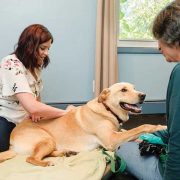
Dogs are generally considered senior from around seven years of age, though this varies considerably by size — giant breeds age faster, while small breeds often remain vital well into their teens.
The senior period brings a distinctive set of changes that should influence treat selection:
Joint health becomes a priority. Osteoarthritis is extremely common in ageing dogs, and diet can play a meaningful supporting role. Treats high in omega-3 fatty acids — particularly those containing fish — can contribute anti-inflammatory support. Lean treats that help maintain healthy body weight are also valuable, since excess weight places additional load on already-stressed joints.
Digestive capacity may decline. Senior dogs often experience reduced digestive efficiency. Highly processed, multi-ingredient treats with artificial additives can become harder to tolerate. Simpler, cleaner options — ideally single-ingredient — tend to be better managed.
Dental disease is prevalent. Studies suggest that by the age of three, the majority of dogs show some signs of dental disease. By the senior years, dental health is a genuine clinical concern for most dogs. Soft treats avoid the risk of fracturing teeth that may be compromised by years of wear. However, appropriate chews continue to provide valuable mechanical plaque removal — the key is matching the hardness of the chew to the condition of the dog’s teeth. Consult your vet if you’re unsure.
Caloric needs typically decrease. Senior dogs generally have lower metabolic rates and reduced activity levels. Treats that were perfectly appropriate in adulthood may contribute to gradual weight gain in an older dog whose meals haven’t been adjusted downward. Lean, single-protein treats allow you to continue treating generously without inadvertently overfeeding.
Breed Size and Its Influence on Life Stage Timing
It’s worth noting that breed size significantly affects when dogs move through life stages.
Small breeds (under 10kg) mature quickly, reach adulthood by around 12 months, and tend to live well into their mid-to-late teens. Their senior period starts later relative to their lifespan.
Large and giant breeds (over 25kg) have extended puppy periods — some aren’t fully mature until 18–24 months — but their senior years arrive earlier, often from six or seven years of age. Giant breeds also carry elevated risks of certain joint conditions, making lean, anti-inflammatory treat choices particularly relevant from mid-life onward.
Matching Treat Format to Life Stage
As a quick reference:
- Puppies: Soft, small, single-protein, highly digestible; low caloric density
- Adolescent/adult: Mix of training treats and extended chews; vary proteins; match caloric density to activity level
- Senior: Lean, digestible, ideally omega-3 rich; soft or appropriately firm chews depending on dental condition
Conclusion
Dogs change over time — and the treats that serve them best change too. Paying attention to life stage isn’t about being overly prescriptive; it’s about making sure the small daily decisions add up to something positive across the years and decades of a dog’s life.
The good news is that once you understand the principles — digestibility, caloric density, protein quality, format — making life-stage appropriate choices becomes straightforward. The range of high-quality natural treats available to Australian dog owners today makes it entirely possible to get this right at every stage, without compromise on the things dogs actually care about: flavour, texture, and the simple joy of getting a treat from someone they love.