 By David Pike
The relationship between humans and domesticated animals is one of the most transformative dynamics in the history of our species. What began thousands of years ago as a practical alliance for survival has evolved into a profound emotional and biological connection. Today, this bond transcends the utilitarian boundaries of the past, manifesting as deep companionship, mutual affection, and shared social structures.
From the dogs resting on our living room rugs to the horses grazing in rural pastures, domesticated animals are deeply integrated into human society. Examining this connection reveals that our relationship with animals is not merely a cultural hobby, but a foundational aspect of human evolution, psychology, and physiological well-being.
The Evolutionary Roots of Co-Domestication
To understand the depth of the modern human-animal bond, one must look back to the origins of domestication. This process was not a one-sided conquest where humans forced animals into submission. Instead, current scientific consensus points toward a process of co-evolution, where both species adapted to accommodate one another over successive generations.
The domestication of the wolf, which gave rise to the modern dog, began at least fifteen thousand years ago, and possibly much earlier. Early wolves that possessed lower flight thresholds and reduced aggression discovered that scavenging near human encampments provided a reliable source of food. Humans quickly recognized that these tolerant canines offered invaluable benefits, including early warnings against apex predators, assistance during tracking expeditions, and even warmth during freezing nights.
As these two species lived in close proximity, a process of self-domestication occurred. Wolves that were genetically inclined to cooperate with humans survived and reproduced at higher rates. Concurrently, human societies that integrated dogs became more successful at hunting and defending territory. This mutualistic framework repeated itself across various species over millennia:
-
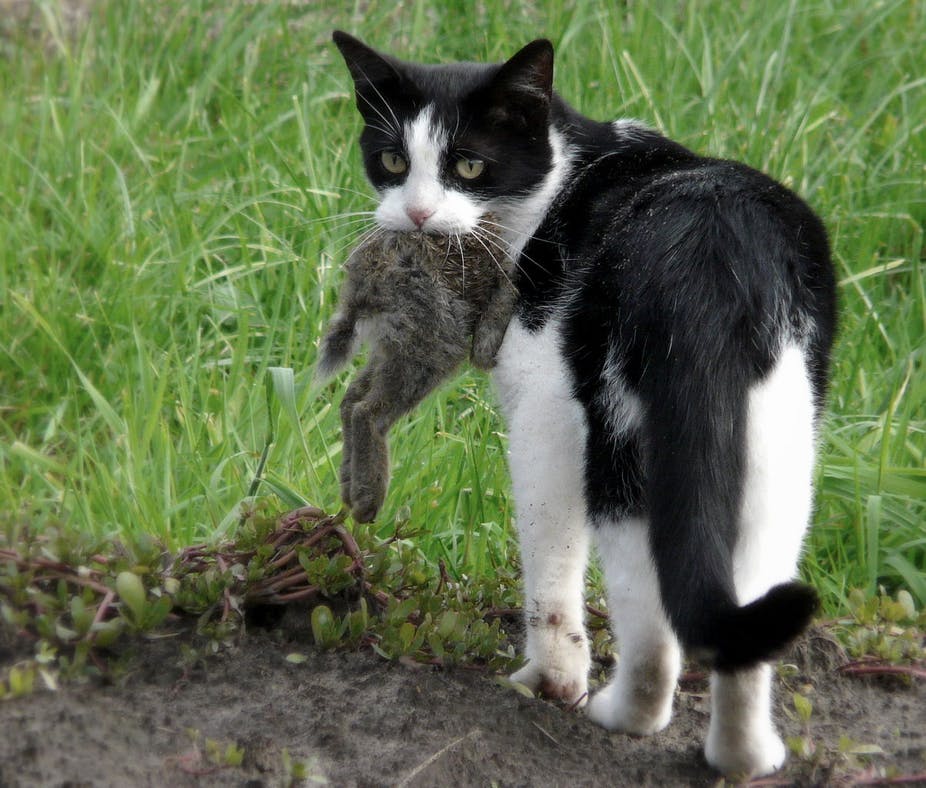
Felines entered human spheres approximately ten thousand years ago with the dawn of agriculture, attracted to the rodents that plagued early grain stores.
-
Equines transformed human civilization by providing unprecedented mobility, revolutionizing transportation, agriculture, and warfare.
-
Livestock animals like sheep, goats, and cattle provided stable clothing materials and nutritional security, allowing nomadic populations to establish permanent settlements.
Through these relationships, humans did not just alter the genetic trajectories of these animals; the animals radically reshaped human culture, technology, and migration patterns.
The Neurological Architecture of Connection
The bond between humans and domesticated animals is not a product of anthropomorphic imagination. It is a verifiable neurological phenomenon. When humans and their domesticated companions interact, their brains undergo profound chemical shifts that mirror the biological mechanisms responsible for human parent-child bonding.
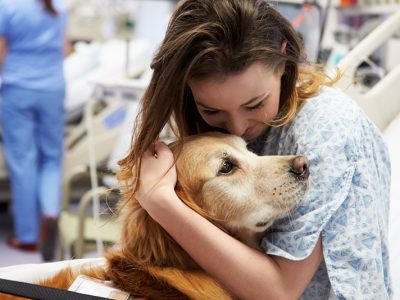
Central to this connection is the hormone oxytocin, often referred to as the bonding or love hormone. Oxytocin is responsible for fostering trust, reducing social anxiety, and creating strong emotional attachments. Research focusing on the interactions between humans and dogs has revealed a unique cross-species positive feedback loop. When a human gazes into their dog’s eyes, both the human and the canine experience a significant surge in oxytocin levels.
This reciprocal hormonal release is unique to domesticated animals. A hand-reared wolf, for instance, does not exhibit the same hormonal response to human eye contact, demonstrating that thousands of years of domestication have hardwired these animals to connect with us on a molecular level.
Beyond oxytocin, interacting with a friendly animal stimulates the release of dopamine and serotonin, neurotransmitters that regulate mood, pleasure, and emotional stability. Simultaneously, levels of cortisol, the primary human stress hormone, drop noticeably. This immediate biochemical shift explains why spending even a few minutes stroking an animal can bring about a profound sense of tranquility.
Psychological Comfort and Social Integration
In an increasingly digitized and urbanized world, isolation and loneliness have become pervasive public health challenges. Domesticated animals serve as an important buffer against these modern psychological ailments. An animal offers a form of emotional consistency that human relationships, which are often complicated by social expectations and conflicts, cannot always guarantee.
Domesticated animals provide non-judgmental companionship. An animal does not evaluate a person based on their socioeconomic status, professional success, physical appearance, or social standing. They respond directly to the care, tone, and presence of their human handler. For individuals dealing with depression, trauma, or chronic anxiety, this predictable, uncomplicated affection provides a secure emotional anchor.
Furthermore, animals act as powerful catalysts for human social interaction. Walking a dog through a neighborhood or caring for a horse at a local stable breaks down social barriers among strangers. Animals give people a common ground for conversation, transforming isolated individuals into active members of a local community. They encourage outdoor activity, routine schedules, and external focus, pulling individuals away from internal negative thought cycles.
Physiological Health and Therapeutic Applications
The benefits of the human-animal bond extend far beyond emotional comfort, translating into tangible physical health outcomes. Numerous epidemiological studies indicate that pet owners, particularly those with dogs or cats, exhibit lower baseline blood pressure and reduced heart rate responses to psychological stressors compared to non-owners.
The presence of an animal also correlates with a reduced risk of cardiovascular disease. This is partly driven by the increased physical activity inherent in caring for an active animal, but the underlying reduction in chronic systemic inflammation caused by lower daily stress levels also plays a massive role.
These physiological perks have driven the widespread integration of animals into modern healthcare and therapeutic frameworks.
-
Animal-Assisted Therapy: Standard treatment plans for individuals recovering from physical trauma, stroke, or severe psychological conditions like Post-Traumatic Stress Disorder frequently incorporate trained therapy animals to boost patient engagement and speed up recovery.
-
Service and Assistance Animals: Specially trained guide dogs, medical alert dogs, and mobility assistance animals perform highly technical tasks that allow individuals with severe disabilities to navigate the world with independence.
-
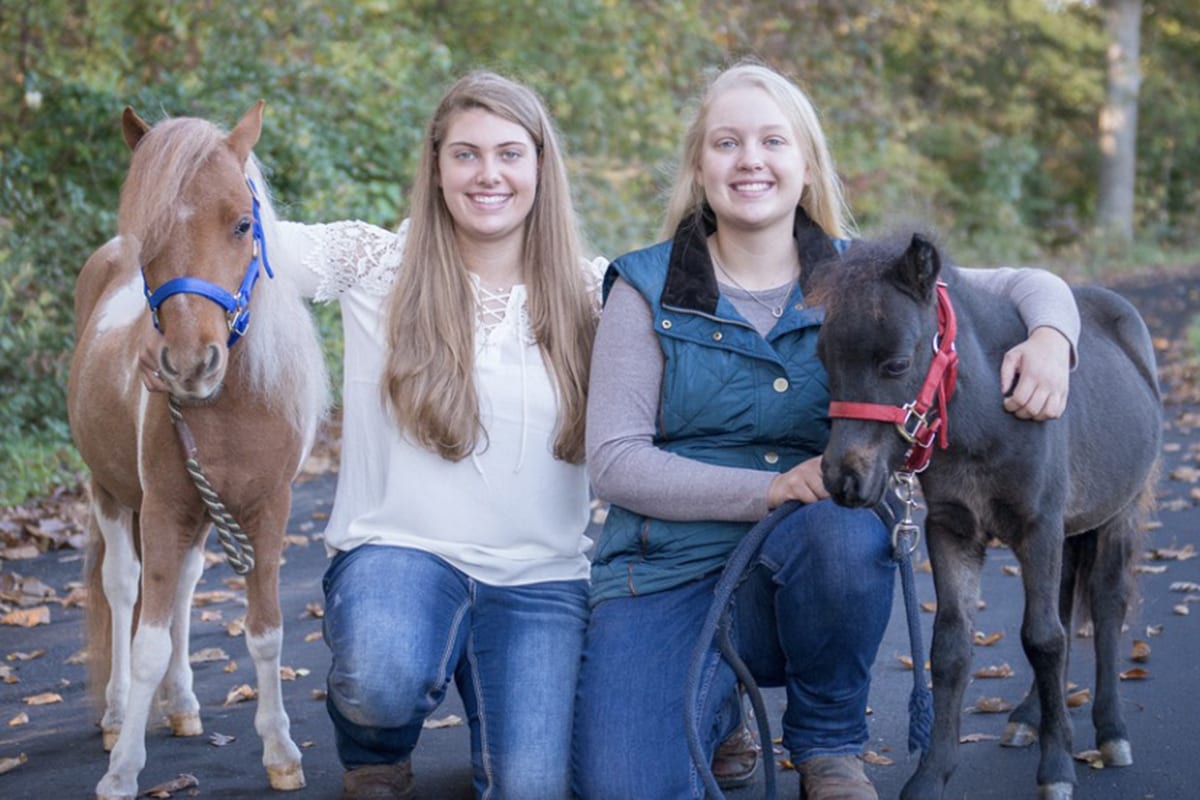
Equine-Assisted Psychotherapy: Working alongside horses helps individuals develop emotional regulation, assertive communication skills, and self-awareness, as horses are highly sensitive to human body language and emotional energy.
Mutual Communication and Emotional Mirroring
One of the most remarkable aspects of our bond with domesticated animals is the development of a shared, non-verbal language. Over millennia of living together, domesticated species have developed an uncanny ability to read human behavioral cues, vocal tones, and micro-expressions.
Dogs, for example, are among the few animals in the world that naturally understand human pointing gestures. While our closest wild relatives, chimpanzees, struggle to comprehend that a pointed finger means they should look at a distant object, dogs instinctively follow the gesture to find a toy or food. Similarly, horses can distinguish between positive and negative human facial expressions, adjusting their behavior based on whether the handler appears angry or cheerful.
This communication is entirely bidirectional. Experienced animal owners learn to decipher the subtle nuances of their companion’s body language: the specific pitch of a bark, the slight rotation of an equine ear, or the rhythmic twitch of a feline tail. This intricate, silent dialogue forms the foundation of deep mutual trust, enabling humans and animals to work together in seamless harmony.
Frequently Asked Questions
Do domesticated farm animals experience the same emotional bond with humans as dogs or cats do?
Yes, domesticated livestock animals like cows, pigs, sheep, and goats are fully capable of forming distinct emotional bonds with human caretakers. These animals possess complex social structures and individual personalities. When raised in environments where they receive regular, positive human interaction, farm animals will actively seek out specific caretakers for affection, remember individual human faces for years, and display clear signs of distress when separated from their preferred human handler.
What is the primary difference between a domesticated animal and a tamed wild animal?
Domestication is a genetic process that takes place over dozens or hundreds of generations, during which an entire species is selectively bred to change its physical traits, hormonal profiles, and behaviors to better coexist with humans. Taming, conversely, is an individual behavioral modification. A wild animal, such as a tiger or a wolf, can be tamed through extensive training and socialization from a young age to tolerate human presence, but its underlying genetics, wild instincts, and unpredictable natural behaviors remain entirely intact.
Can the loss of a companion animal impact human health as severely as losing a human loved one?
Yes, psychological and medical evaluations show that the grief experienced after the death of a companion animal can be just as intense, and sometimes more complicated, than the grief felt after losing a human relative. Because pets are completely integrated into a person’s daily routine and provide constant, non-judgmental support, their absence leaves a massive void. In some cases, the profound stress of this loss can trigger temporary medical conditions, such as stress-induced cardiomyopathy, commonly known as broken heart syndrome.
How does growing up with domesticated animals affect childhood development?
Children who grow up in households with domesticated animals frequently show advanced development in empathy, emotional intelligence, and social responsibility. Caring for an animal teaches children to consider the needs of a living being that cannot speak, fostering perspective-taking skills. Additionally, regular exposure to common animal dander and outdoor allergens during early childhood helps train the developing immune system, statistically reducing the likelihood of developing asthma and allergies later in life.
Can an animal become overly attached to a human to the point of psychological harm?
Yes, the human-animal bond can occasionally manifest as hyper-attachment, leading to severe separation anxiety in the animal. When an animal is never taught to feel secure in isolation, the absence of their human anchor can trigger severe panic. This state leads to self-destructive behaviors, vocal pacing, house-soiling, or intentional self-mutilation, such as compulsive licking or chewing at their own skin. Maintaining a healthy bond requires balancing affection with structured independence training.
How do horses mirror human emotions during therapeutic interactions?
Horses are highly sensitive prey animals that evolved to detect the slightest shifts in their environment, including the body language, muscle tension, and heart rates of herd members and nearby predators. When a human approaches a horse, the animal reads these subtle physiological cues instantly. If a person is inwardly anxious but attempting to act calm, the horse will respond to the underlying tension by becoming restless or defensive, forcing the human to confront and regulate their true emotional state.
Does the human-animal bond provide any evolutionary benefits to the animals involved?
From a strictly biological standpoint, domestication is one of the most successful survival strategies in evolutionary history. By forming a symbiotic partnership with humans, domesticated species secured a reliable supply of nutrition, protection from natural apex predators, medical intervention during illness, and sheltered environments. Consequently, the global populations of domesticated dogs, cats, horses, and livestock are vastly larger and more stable than those of their remaining wild relatives, ensuring the long-term survival of their genetic lineages.