Animals

The Fascinating World of Animals: A Glimpse into Nature’s Wonders

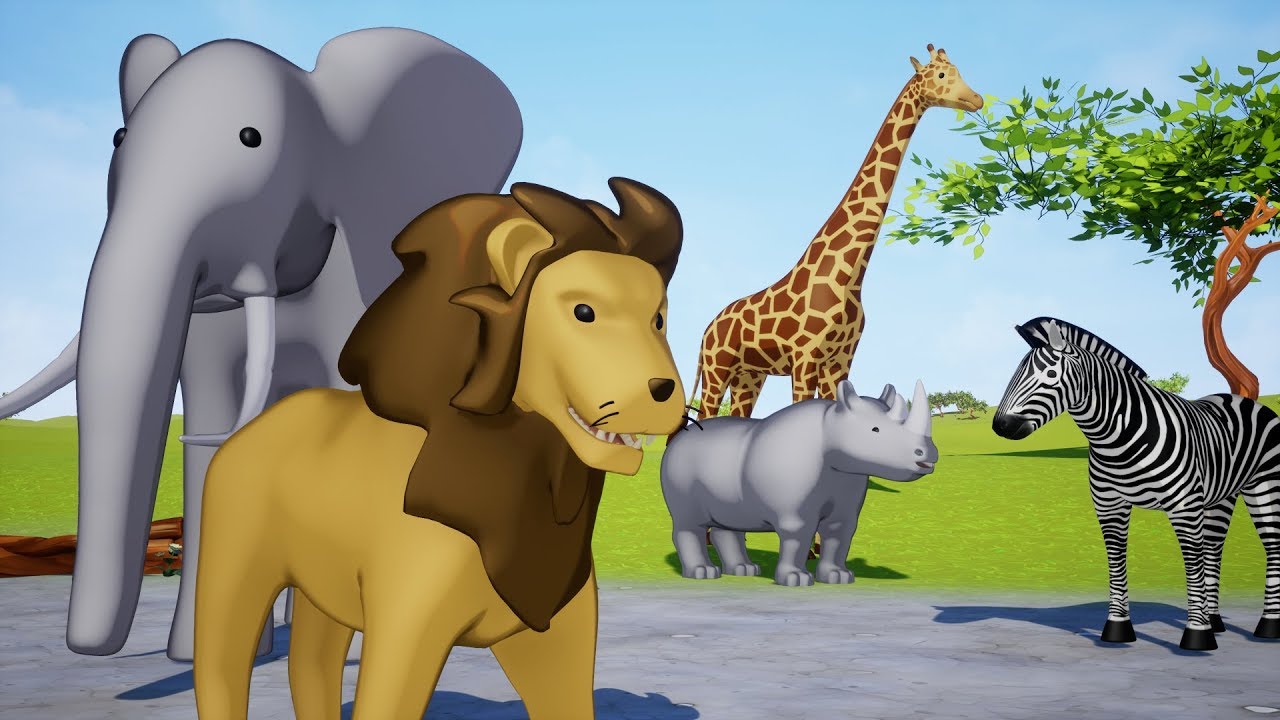
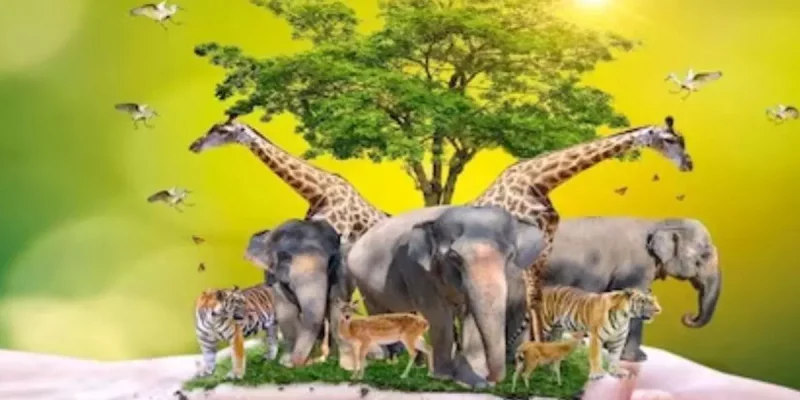
Animals, in their vast and varied forms, hold an unmatched allure for humans. From the majestic elephants roaming the African savannah to the delicate hummingbird flitting among flowers, animals have long captivated our imaginations and hearts. Beyond their beauty, however, lies a world of complexity, intelligence, and resilience. Through a deeper exploration of the animal kingdom, we come to realize that animals are not merely creatures that share our planet but also intricate beings, each with a unique set of behaviors, capabilities, and roles in the delicate balance of nature.

The Complexity of Animal Behavior

One of the most intriguing aspects of animals is their behavior. While many animals act out of instinct, countless species have evolved behaviors that suggest a deeper understanding of their environment, their needs, and their interactions with others. Consider the highly social nature of wolves, whose pack dynamics depend on trust, cooperation, and even emotional bonds. Each member of the pack plays a crucial role, from the leader who strategizes their hunts to the younger wolves who learn the skills necessary for survival.

Similarly, elephants display remarkable intelligence and empathy. They have been observed mourning the death of a family member, showing affection through physical touch, and even helping injured members of their herd. Their ability to communicate over vast distances through low-frequency sounds called infrasound, which travel across miles of land, underscores the complexity of their social structures. Such behaviors suggest not only survival mechanisms but also a profound emotional intelligence.

Adaptation: Nature’s Masterstroke

Animals have evolved a stunning array of adaptations that allow them to thrive in even the most challenging environments. The adaptability of animals is a testament to nature’s incredible ingenuity. The Arctic fox, for example, has evolved a thick, white coat that not only helps it survive extreme cold but also provides camouflage in the snowy landscape, protecting it from predators and allowing it to hunt efficiently.

In stark contrast, the chameleon is a master of disguise, able to change the color of its skin to blend in with its surroundings. This adaptation is not just a means of avoiding predators but also a strategy for hunting and communication with other chameleons. Their ability to alter their appearance so dramatically highlights the sophistication of their evolutionary strategies.

The underwater world is no less remarkable when it comes to adaptation. The octopus, often regarded as one of the most intelligent invertebrates, has the ability to alter its appearance, texture, and color to blend seamlessly into its environment. With its exceptional problem-solving skills, the octopus has been known to open jars and escape from enclosures, demonstrating a level of intelligence that is both surprising and awe-inspiring for a creature without a backbone.

Animal Intelligence: Far Beyond Instinct

While animals may not think and reason in the same way humans do, many species possess forms of intelligence that are both complex and profound. The great apes, such as chimpanzees and orangutans, exhibit behaviors that suggest a high level of cognitive ability. They use tools, solve problems, and can even communicate with humans through sign language or symbols. In fact, some studies suggest that chimpanzees possess an understanding of abstract concepts like fairness and cooperation, demonstrating an intelligence that parallels that of young human children.

Birds, too, defy the traditional notion that intelligence is solely the domain of mammals. The New Caledonian crow, for example, has been observed crafting tools from twigs and leaves to extract food from difficult-to-reach places, a behavior once thought to be exclusive to humans and primates. In a stunning display of creativity, these crows have been known to use a series of tools in succession, much like humans might use a set of tools to complete a task.

The dolphin, another of the ocean’s most intelligent creatures, exhibits self-awareness, problem-solving abilities, and even the capacity for complex social interactions. Dolphins have been observed using tools, such as sponges, to protect their snouts while foraging on the seafloor. Their ability to understand abstract concepts, such as “same” and “different,” challenges our understanding of animal cognition and opens new doors for scientific inquiry.

Conservation and the Need to Protect Animal Habitats

As we learn more about the intricacies of the animal kingdom, the importance of conservation becomes ever more apparent. Human activities, particularly deforestation, pollution, and climate change, have placed many species at risk of extinction. The tragic disappearance of species like the passenger pigeon and the dodo serves as a stark reminder of the fragility of life on Earth.

Efforts to conserve endangered species have grown significantly in recent decades, and organizations around the world are working tirelessly to protect both animals and their habitats. Conservationists are not only focused on saving individual species but are also dedicated to preserving the ecosystems that support them. The loss of a single species can have a domino effect on an entire ecosystem, leading to a cascade of changes that can be devastating for the balance of nature.

One of the key challenges in conservation is the issue of habitat loss. The destruction of forests, wetlands, and coral reefs has led to the displacement and endangerment of countless species. For example, the orangutan, native to the rainforests of Borneo and Sumatra, faces an uncertain future due to deforestation and the expansion of palm oil plantations. Similarly, coral reefs, home to a quarter of marine species, are being ravaged by climate change and ocean acidification.

Conservationists are increasingly turning to technology to address these challenges. Drones, camera traps, and genetic studies are just a few of the tools that are helping scientists monitor wildlife populations, track animal movements, and develop strategies for habitat restoration. Additionally, initiatives such as wildlife corridors, which allow animals to move freely between fragmented habitats, are showing promise in reconnecting ecosystems and ensuring the survival of vulnerable species.

A Mutual Responsibility

The relationship between humans and animals is one that goes beyond mere coexistence. As the dominant species on Earth, humans have a responsibility to protect and preserve the natural world. Animals, with their unique behaviors, extraordinary adaptations, and intellectual capabilities, offer us insights into the intricate web of life that sustains our planet. In turn, we must recognize that the survival of animals is inextricably linked to the health of the environment.

It is easy to be awestruck by the beauty of a lion’s mane or the grace of a dolphin leaping through the waves, but the true wonder of animals lies in their resilience and ability to adapt. By protecting their habitats, advocating for sustainable practices, and ensuring the survival of endangered species, we not only secure the future of animals but also safeguard the very ecosystems upon which our own survival depends.

In a world that is increasingly facing environmental challenges, the story of animals is a reminder of the delicate balance that exists within the natural world. Their continued existence is not a given; it is a privilege that we, as stewards of the Earth, must strive to protect and preserve. In the end, the preservation of animals is not just about saving species—it is about ensuring the well-being of our planet and all life that inhabits it.

What is your reaction?

Excited
0
Happy
0
In Love
0
Not Sure
0
Silly
0

You may also like

More in:Animals