 By David Pike
The dynamic between humans and animals has evolved far beyond the boundaries of basic agricultural utility or casual companionship. Today, animals are increasingly recognized as powerful agents of healing, offering profound physical, psychological, and social benefits across diverse clinical and community settings. From corporate offices and university campuses during finals week to sterile hospital wards and trauma recovery centers, therapy companions are redefining how society approaches holistic well-being.
While the intuitive comfort of petting a dog or listening to a cat purr is widely acknowledged, the formal field of Animal-Assisted Interventions operates on a foundation of measurable biological science. By understanding the neurochemical changes, physiological shifts, and psychological breakthroughs facilitated by these animals, we can fully appreciate their role in modern therapeutic practices.
1. The Neurobiology of the Human-Animal Bond
The sense of peace experienced during interactions with a therapy animal is not merely a subjective feeling. It is the direct result of rapid, measurable neurochemical changes within the human endocrine system.
The Oxytocin Surge
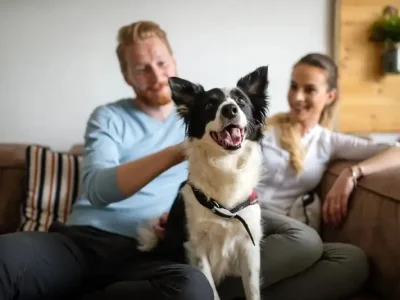
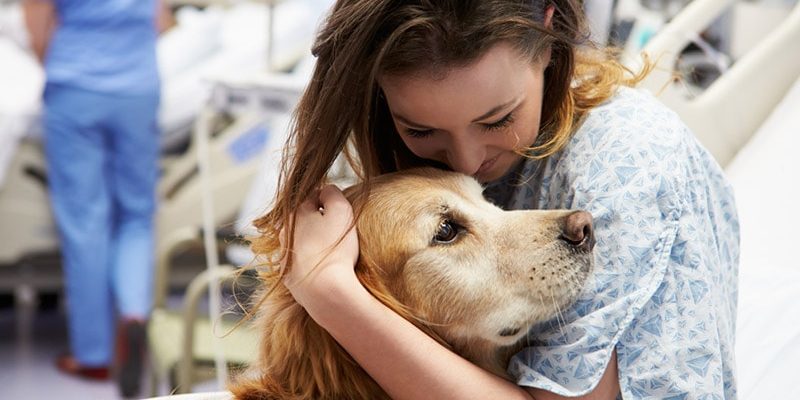
Interacting with a friendly animal triggers the immediate release of oxytocin, frequently referred to as the bonding hormone. Oxytocin plays a central role in establishing trust, empathy, and social cohesion. When a person makes eye contact with and strokes a therapy companion, an oxytocin feedback loop is established, benefiting both the human and the animal. This hormonal surge induces a profound sense of security and emotional comfort, serving as a powerful countermeasure to feelings of isolation.
Mitigating Stress Hormones
Simultaneously, interaction with a therapy animal suppresses the production of cortisol, the body’s primary stress hormone. High levels of chronic cortisol can impair cognitive function, disrupt immune responses, and increase systemic inflammation.
-
Blood Pressure Reduction: Physical contact with an animal lowers heart rates and reduces both systolic and diastolic blood pressure, providing immediate stabilization during moments of acute panic or high anxiety.
-
Neurotransmitter Elevation: Studies indicate that these interactions stimulate the production of dopamine and serotonin, neurotransmitters responsible for mood regulation, motivation, and pleasure.
2. Differentiating Therapy Animals, Service Animals, and Emotional Support Animals
To fully appreciate the scope of animal-assisted healing, it is necessary to clarify the distinct legal and operational definitions that separate therapy companions from other categories of working animals. Misunderstanding these distinctions can lead to regulatory challenges and structural operational confusion.
Service Animals
Service animals are highly trained professionals, almost exclusively dogs, that are individually trained to perform specific tasks directly related to an individual’s physical, sensory, psychiatric, or intellectual disability.
-
Legal Protections: Under the Americans with Disabilities Act, service animals are granted extensive public access rights, allowing them to accompany their handlers into restaurants, grocery stores, airplanes, and public transit systems. They are not considered pets; they are essential medical equipment.
Emotional Support Animals
Emotional support animals provide therapeutic value purely through their presence, offering comfort to mitigate symptoms of psychological distress such as depression or severe phobias. Unlike service animals, they do not require specialized training to perform specific tasks. They do not possess universal public access rights, though they are often granted specific considerations in housing regulations when accompanied by a legitimate mental health prescription.
Therapy Animals
Therapy animals operate on an entirely different model. Rather than serving a single individual, they are trained and evaluated alongside their human handlers to provide comfort, affection, and therapeutic support to diverse groups of people.
-
Operational Scope: They work in structured environments like nursing homes, hospitals, schools, and disaster zones.
-
Public Access Restrictions: Therapy animals do not have special legal rights to enter standard public commercial businesses unless invited by the specific facility management for an organized program.
3. Modalities of Animal-Assisted Healing
The integration of animals into therapeutic frameworks occurs across a spectrum of professional disciplines, each targeting distinct physical or psychological objectives.
Animal-Assisted Therapy
This modality involves the deliberate incorporation of an animal into an established, goal-directed treatment plan designed by a licensed healthcare professional, such as a physical therapist, occupational therapist, or clinical psychologist.
-
Physical Rehabilitation: In occupational therapy, patients recovering from strokes or traumatic brain injuries can practice fine motor skills by fastening buckles on a dog’s vest, brushing fur, or tossing a ball to encourage range-of-motion exercises.
-
Speech Therapy: Children facing speech impediments or developmental delays often display increased vocalization and confidence when describing tasks or reading directly to a patient, non-judgmental animal companion.
Animal-Assisted Activities
These are less formal, open-ended interventions that focus on motivational, educational, and recreational benefits. Examples include a volunteer dog team visiting residents in an assisted living facility to spark conversation and counter loneliness, or university programs bringing animals to campuses to help students manage stress during stressful exam periods.
4. Psychological and Trauma Recovery Applications
One of the most profound expansions in animal-assisted interventions is within the realm of trauma recovery and Post-Traumatic Stress Disorder management.
Breaking Through Emotional Armor
Individuals suffering from severe trauma or deep-seated PTSD often struggle to engage in traditional talk therapy. They may remain hyper-vigilant, emotionally guarded, or entirely detached.
-
Non-Threatening Presence: An animal offers a non-threatening, completely neutral presence that does not demand verbal explanation or emotional vulnerability.
-
Co-Regulation: Patients frequently practice co-regulation by syncing their breathing patterns to the slow, steady respiration of a resting dog or miniature horse, helping ground them during intense flashbacks or panic episodes.
Equine-Assisted Psychotherapy
Horses are exceptionally popular in advanced trauma therapy due to their nature as prey animals. They possess an acute sensitivity to environmental cues and human body language. A horse will instantly mirror the internal emotional state of the handler; if a person approaches with hidden anger or intense anxiety, the horse will respond by stepping away or showing tension. This immediate, objective feedback helps patients recognize and regulate their internal emotional states in real-time.
5. Selection and Training Profiles of Therapy Companions
Not every friendly family pet possesses the unique psychological and behavioral attributes required to become a certified therapy companion. The process demands rigorous screening to ensure the safety of both the public and the animal.
The Ideal Temperament Profile
A successful therapy animal must exhibit a calm, predictable, and highly adaptable disposition. They must remain unbothered by sudden loud noises, erratic movements, the clatter of medical equipment like IV poles and wheelchairs, and unpredictable handling from individuals who may have physical tremors or poor spatial awareness. The animal must actively seek out human interaction, demonstrating genuine enjoyment rather than passive tolerance.
Diversity of Species
While dogs are the most visible therapy ambassadors, the field includes a diverse array of species tailored to specific environments:
-
Cats: Excellent for quiet, indoor environments like hospice centers, where their calm presence and low-frequency purring offer deep sensory comfort.
-
Rabbits and Guinea Pigs: Ideal for individuals with limited physical space or those who feel intimidated by larger animals.
-
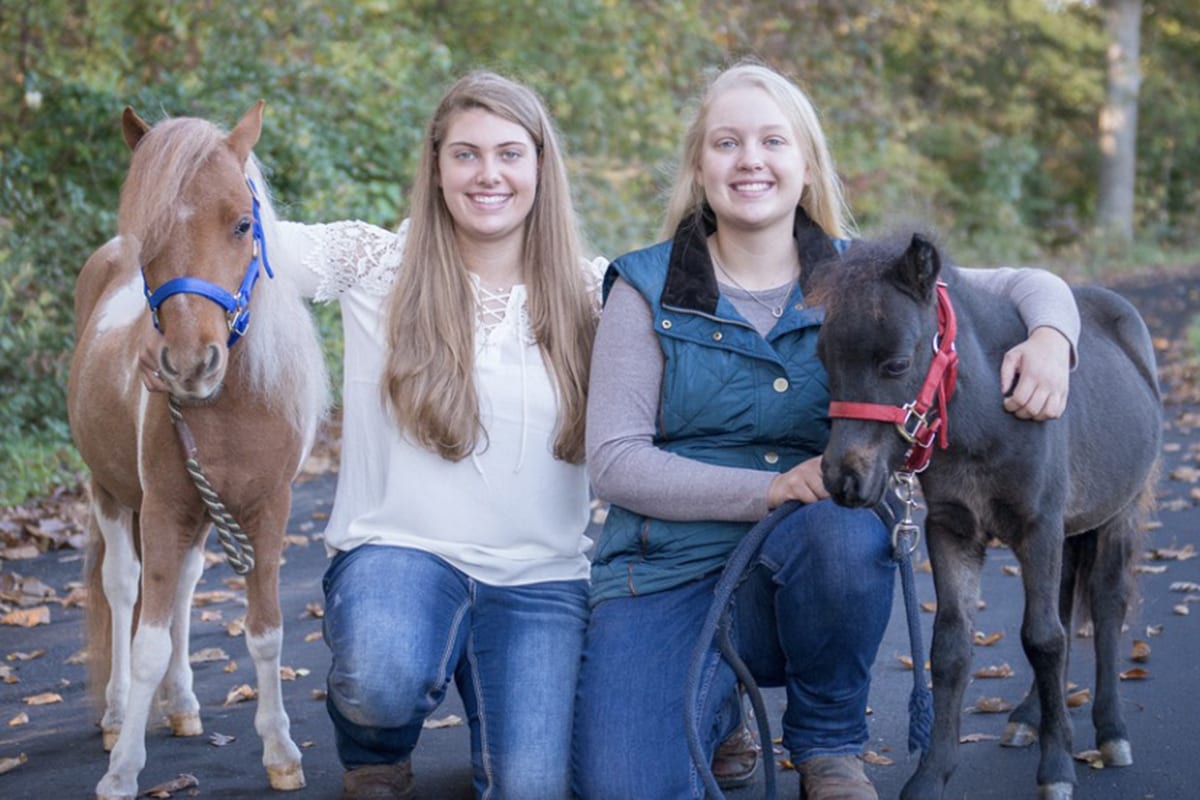
Miniature Horses: Utilized for both indoor hospital visits and outdoor mobility support programs due to their long lifespans and calm demeanors.
Frequently Asked Questions
How are therapy animals protected from burnout and emotional fatigue?
Therapy organizations implement strict guidelines to monitor and preserve the well-being of the working animals. Handlers are trained to read subtle signs of stress, such as yawning, lip-licking, avoidance of eye contact, or low body posture. Certified therapy visits are typically limited to a maximum of one to two hours per session to prevent mental exhaustion. If an animal shows any signs of fatigue, the handler is required to immediately terminate the session and remove the animal from the environment to rest.
What infection control protocols protect hospital patients during animal visits?
Hospitals maintain stringent health and hygiene standards for participating therapy teams. Before entering a clinical facility, therapy animals must be thoroughly bathed, brushed, and have their nails trimmed and filed smooth to prevent scratching fragile skin. They must be current on all core vaccinations, have passed recent fecal examinations, and be free of external parasites. Handlers carry sanitizing wipes to clean the animal’s coat between visits, and patients are required to sanitize their hands before and after touching the companion.
Can an aggressive or highly reactive dog be trained to become a therapy dog?
No, dogs with a history of resource guarding, territorial aggression, or extreme fear-reactivity are not eligible for therapy work. While rehabilitation can help a reactive dog live a comfortable life as a family pet, therapy work requires a baseline temperament that is naturally resilient, calm, and socially open. Forcing a fearful or reactive animal into high-stimulation environments like hospitals or schools is unethical and poses a significant safety risk to the public.
How do therapy animals help children on the autism spectrum?
Children on the autism spectrum often experience sensory overload and difficulties with traditional social communication. A therapy animal offers a predictable, non-verbal bridge for interaction. The tactile sensation of thick fur can provide deep pressure stimulation that calms sensory meltdowns. Furthermore, interacting with an animal in a social setting can act as an icebreaker, encouraging the child to engage in conversations with therapists and peers about the animal’s behavior and care.
Are there specific certifications required to volunteer with a therapy animal?
Yes, legitimate volunteer teams must pass an evaluation through a recognized national or local therapy organization. These evaluations assess the handler’s ability to manage their animal under pressure, as well as the animal’s obedience and reaction to challenging stimuli. Once a team passes the evaluation, the organization provides liability insurance coverage, which is mandatory for gaining entry into professional institutions like schools, secure rehabilitation centers, and hospitals.
Why are horses specifically effective for youth behavioral therapy programs?
Youth struggling with behavioral disorders or oppositional defiance often resist authority figures and traditional clinical office settings. Horses, due to their size and power, demand immediate respect and focus. Working with a horse requires clear communication, patience, and emotional control; if a youth yells or acts aggressively, the horse will refuse to cooperate. Learning to guide a thousand-pound animal through an obstacle course builds profound self-confidence, emotional regulation, and a sense of personal accountability.
Can farm animals like goats or chickens serve as therapy companions?
Yes, farm animals are increasingly integrated into therapeutic programs, particularly in rural outreach initiatives, agricultural therapy programs, and specialized residential care facilities. Chickens, for example, have been successfully introduced in elder care homes to stimulate activity and combat cognitive decline, as their unique movements and foraging behaviors provide highly engaging, entertaining visual stimulation that encourages outdoor socialization.