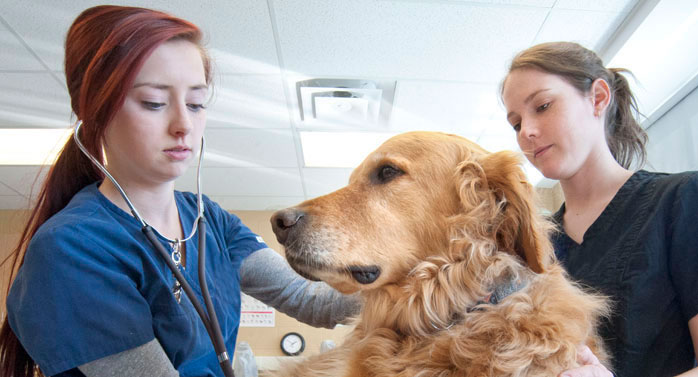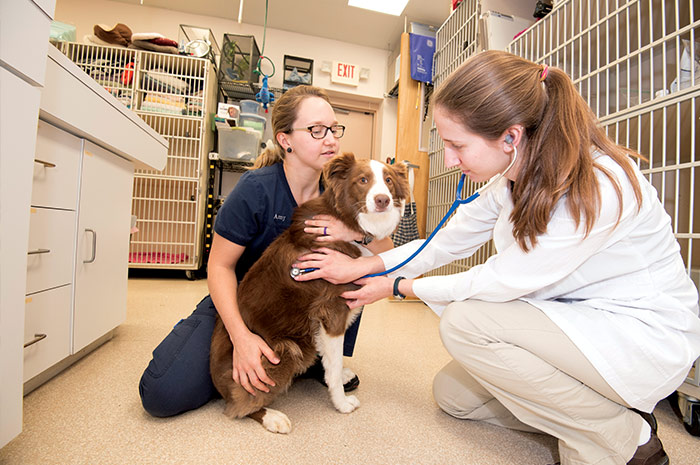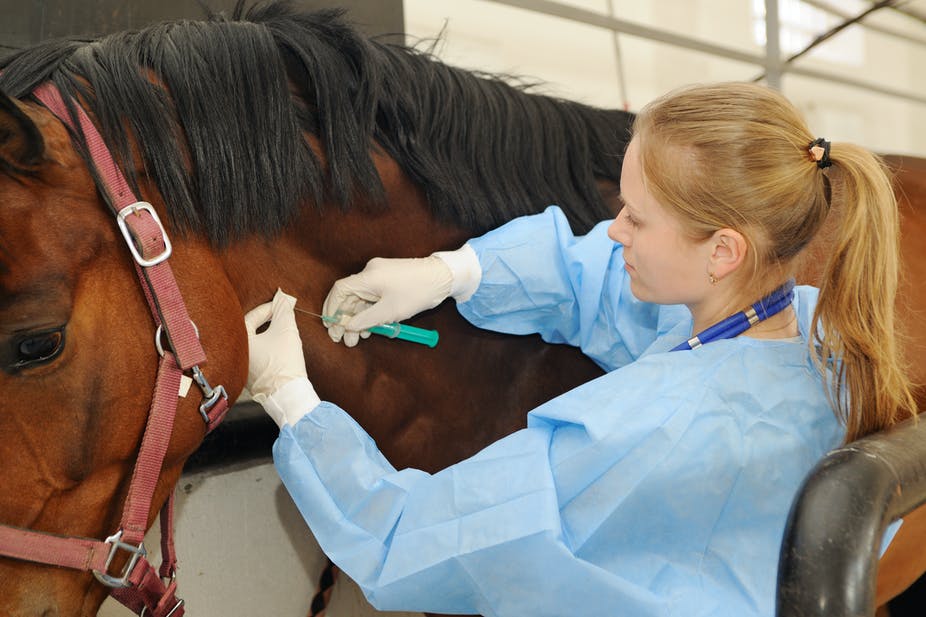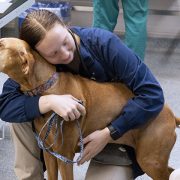
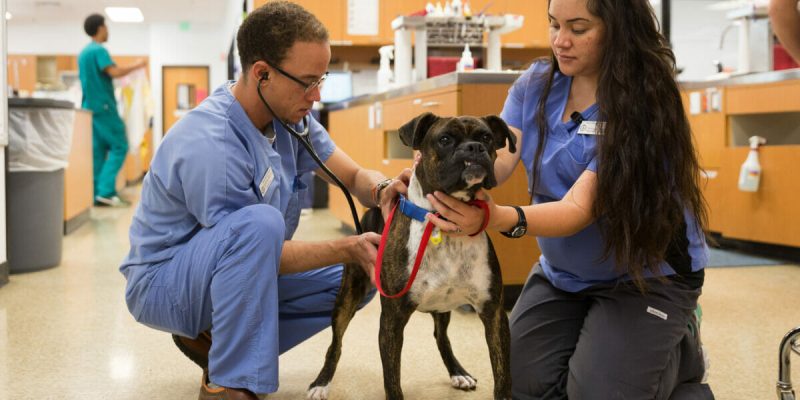
In the world of pet ownership, few professions command the respect and gratitude that veterinary professionals do. Whether it’s a routine check-up, an unexpected injury, or the management of chronic conditions, veterinarians are essential to ensuring the health and well-being of the animals we cherish. Much like their human counterparts in the medical field, veterinarians are not just healthcare providers but trusted partners in the journey of an animal’s life. As pets increasingly become members of our families, the importance of veterinary care cannot be overstated. The role of veterinarians extends beyond the simple act of treating illness—they are guardians of the bond between humans and animals, guiding us through the complexities of animal health with expertise, compassion, and dedication. This article delves into the indispensable role of veterinary professionals, the advancements in veterinary medicine, and the deep emotional connection between pets and their caregivers.
The Evolution of Veterinary Medicine: A Historical Perspective
Veterinary care, though modern in its practices, has roots that stretch back thousands of years. The earliest known records of veterinary practice come from ancient Mesopotamia, where healers treated animals, especially horses, for injuries and diseases. Ancient Egyptians, who recognized the importance of animals in both daily life and religious rituals, also had rudimentary veterinary care systems. However, it wasn’t until the late 18th century that the field of veterinary medicine began to emerge as a formal profession.
The founding of the first veterinary school in Lyon, France, in 1761 by Claude Bourgelat marked a pivotal moment in the development of the profession. It laid the foundation for the establishment of veterinary colleges around the world. In the United States, the first veterinary school was founded at Cornell University in 1868, setting the stage for the rapid advancement of veterinary education and healthcare practices.
Today, veterinary medicine has evolved into a highly specialized field, encompassing various branches such as general practice, surgery, dermatology, cardiology, oncology, and even behavior therapy. Veterinary professionals are required to undergo extensive education, including a four-year doctoral program, followed by rigorous examinations, internships, and sometimes additional specialization training. This ensures that veterinarians are well-equipped to address a wide array of health issues, from basic wellness care to the most complex medical conditions.
Veterinarians: More Than Just Doctors for Pets
A veterinarian’s role goes far beyond diagnosing and treating illness. They serve as educators, counselors, and compassionate caregivers. They educate pet owners on everything from proper nutrition to preventive care, helping them understand the importance of vaccinations, parasite control, and spaying or neutering. This preventive aspect of veterinary care is crucial, as it allows for early detection and intervention of health issues before they become life-threatening.
Moreover, veterinarians are often the first to recognize emerging health threats or trends within animal populations. For instance, when outbreaks of infectious diseases such as parvovirus or feline leukemia occur, it is the veterinary community that plays a pivotal role in preventing the spread of these diseases through vaccination programs and public awareness campaigns.
In addition to their role as medical professionals, veterinarians are also confidants for pet owners. Animals cannot communicate in the same way humans do, so it is the veterinarian who interprets symptoms, provides diagnoses, and guides the pet owner through treatment options. This requires not only medical expertise but also deep empathy, as veterinarians must often navigate the emotional landscape of pet ownership, providing support and reassurance during difficult decisions, such as end-of-life care or dealing with a terminal diagnosis.
The Advancements in Veterinary Medicine: A World of Possibilities
Veterinary medicine has made remarkable strides in recent decades, thanks to advances in technology, research, and surgical techniques. The use of diagnostic tools such as ultrasound, MRI, and CT scans has revolutionized the ability to detect and treat conditions that once went unnoticed or misdiagnosed. These non-invasive tools allow veterinarians to get a clearer picture of what is happening inside an animal’s body, enabling them to make more accurate diagnoses and devise tailored treatment plans.
Surgical procedures have also advanced significantly. Minimally invasive techniques, such as laparoscopy, are now commonly used for everything from spaying and neutering to more complex procedures like orthopedic surgeries. These techniques not only reduce recovery time but also decrease the risk of infection and complications, allowing pets to return to their normal lives more quickly.
Additionally, the field of veterinary dentistry has expanded considerably. Just as oral health is critical for humans, it is equally important for pets. Poor dental care can lead to a host of other health issues, including heart disease, kidney problems, and more. Modern veterinary dentistry includes everything from routine teeth cleaning to advanced procedures like root canals and tooth extractions, all aimed at maintaining a pet’s overall health and comfort.
In the realm of pharmaceuticals, veterinarians now have access to a wider array of medications and treatments that can address conditions such as cancer, diabetes, and arthritis. The development of cancer treatment protocols for pets, including chemotherapy and radiation therapy, has allowed many pets with cancer to live longer, higher-quality lives.
Preventive Care: The Cornerstone of Veterinary Medicine
While veterinarians are often called upon to treat illness and injury, the cornerstone of veterinary care is prevention. Just as humans are encouraged to get regular check-ups, so too should pets undergo routine examinations, typically on an annual or semi-annual basis. These check-ups are vital for monitoring a pet’s overall health and addressing potential concerns before they escalate.
One of the key aspects of preventive care is vaccination. Vaccinations protect pets from a variety of infectious diseases, some of which can be deadly. For dogs, vaccines for distemper, parvovirus, and rabies are standard, while cats may require vaccines for feline herpesvirus, feline calicivirus, and panleukopenia. Regular vaccinations are essential for the prevention of disease outbreaks, and veterinarians play an integral role in ensuring that pets remain protected throughout their lives.
Parasite control is another critical aspect of preventive care. Fleas, ticks, and heartworms can cause significant health problems for pets, including allergic reactions, infections, and even life-threatening diseases. Veterinarians provide essential guidance on the best parasite prevention plans, recommending topical treatments, oral medications, and other solutions based on the specific needs of the pet.
Nutrition also plays a vital role in preventing many health issues, from obesity to joint problems to gastrointestinal disorders. Veterinarians can offer advice on the appropriate diet for a pet’s age, breed, and health status, as well as recommend specific food brands or supplements to support their well-being.
The Emotional and Ethical Challenges of Veterinary Care
One of the most emotionally challenging aspects of veterinary practice is dealing with the death of a beloved pet. Unlike human healthcare, where the focus is often on extending life, veterinary care frequently involves end-of-life decisions. Whether it’s euthanasia or palliative care, these decisions are never easy for pet owners, and veterinarians must offer both medical expertise and emotional support.
The ethics of veterinary practice are often complex, as veterinarians are required to make difficult decisions in cases where the best course of action isn’t always clear. Balancing the financial constraints of pet owners with the potential benefits of treatment is one such challenge. The veterinarian’s role as a guide, helping pet owners navigate these difficult choices, speaks to the deep emotional connection that exists between veterinarians and the animals they care for.
The Future of Veterinary Care: Innovations on the Horizon
The future of veterinary care is poised for even more exciting innovations. From advances in gene therapy and stem cell treatments to artificial intelligence in diagnostics, the next few decades promise to bring even more breakthroughs that will enhance the quality of care available to pets. Telemedicine is also becoming a growing field, allowing for remote consultations and follow-up appointments, particularly for routine health checks and minor issues.
As the human-animal bond deepens and the role of pets in our lives becomes increasingly significant, the demand for advanced veterinary care will continue to grow. The veterinary profession will no doubt continue to evolve, embracing new technologies, therapies, and treatments to meet the ever-expanding needs of pets and their families.
Conclusion: The Heart of Veterinary Medicine
Veterinarians are more than just doctors for pets; they are a source of knowledge, comfort, and guidance for pet owners. Their expertise, compassion, and commitment to animal welfare make them an indispensable part of the pet care ecosystem. From the prevention of disease to the management of chronic conditions, veterinarians play a vital role in ensuring the health and happiness of our furry companions. As veterinary medicine continues to advance, the bond between humans and animals will only grow stronger, and the veterinary profession will remain at the heart of that connection.