 By David Pike
Sharing your living space with a cat brings immense joy, companionship, and entertainment. However, many cat owners eventually face the frustrating challenge of destructive scratching. Waking up to find the corners of your brand-new fabric sofa shredded or your door frames gouged can strain the bond you share with your pet.
To solve this problem permanently, it is essential to understand that scratching is not a behavioral malfunction or a malicious act targeted at your interior decor. It is a fundamental, biologically driven instinct that serves multiple vital functions for a feline. Trying to stop a cat from scratching entirely is an impossible and counterproductive goal. Instead, the secret to maintaining a beautiful, scratch-free home lies in understanding the underlying psychology of the behavior and successfully redirecting that energy toward acceptable targets.
1. Deconstructing the Science of Feline Scratching
Before implementing deterrents or purchasing new equipment, you must understand why your cat targets specific objects. Scratching fulfills several physical and emotional needs that keep a feline healthy.
Health and Claw Maintenance
A cat’s claws grow in concentric layers, similar to the layers of an onion. As the claw grows, the outer sheath becomes dull and worn. Scratching against a rough surface allows the cat to physically shed this dead outer layer, exposing the sharp, healthy new claw underneath. Without regular scratching, these sheaths can accumulate, leading to discomfort or ingrown claws.
Visual and Olfactory Communication
Cats are highly territorial animals that communicate through complex sensory cues. When a cat scratches an object, they leave behind two distinct types of markers:
-
Visual Markings: The physical shreds and gouges left behind serve as a clear visual boundary marker to other animals.
-
Scent Markings: Cats possess digital scent glands located between the pads of their paws. When they scratch, these glands secrete pheromones onto the surface, effectively claiming the object and the surrounding area as safe, familiar territory.
Physical Stretching and Exercise
Scratching provides an excellent full-body workout. When a cat reaches up high on a vertical surface, they are engaging and stretching the complex muscle groups in their shoulders, back, and forelimbs. This promotes flexibility, maintains muscle tone, and helps release pent-up physical energy or emotional frustration.
2. Selecting the Perfect Scratching Alternates
If you want your cat to stop using your furniture, you must provide alternative surfaces that are far more appealing than your sofa. Cats can be exceptionally picky about where they scratch, so you must carefully evaluate the characteristics of your alternatives.
Height and Structural Stability
The single biggest mistake pet owners make is buying a lightweight, flimsy scratching post that wobbles when the cat applies weight. If a post tips over or shakes, your cat will immediately deem it unsafe and return to the rock-solid stability of your heavy living room couch. Choose a post with a wide, heavy base that remains completely stationary. The post must also be tall enough to allow your cat to fully extend their body when standing on their hind legs.
Material Preferences
Different cats prefer different textures based on their individual sensory profiles. Offer a variety of options to determine what your pet prefers:
-
Sisal Rope: A classic choice that offers great resistance and satisfying durability. Ensure the rope is tightly wound around the post.
-
Corrugated Cardboard: An affordable, highly popular option. Many cats love the shredding sensation and the distinct sound cardboard makes when their claws sink into it.
-
Sisal Woven Fabric: This flat, woven texture mimics the feel of heavy upholstery fabrics, making it an excellent alternative for cats that love targeting carpets or chairs.
-
Natural Wood: Some cats prefer the authentic texture of tree bark. Specially designed logs or natural wood cat trees can satisfy this specific preference perfectly.
Orientations: Horizontal vs. Vertical
Pay attention to how your cat scratches. If they target the sides of your armchairs or door frames, they prefer vertical scratching surfaces. If they prefer destroying carpets, rugs, or the stairs, they are horizontal scratchers. Provide inclined wedges, flat mats, and tall posts to cover all preference profiles.
3. Strategic Placement Tactics
You can buy the most expensive, well-constructed cat tree on the market, but if you tuck it away in a dark, isolated corner of the basement, your cat will completely ignore it. Location is everything when it comes to behavior redirection.
Target the Primary Conflict Zones
Place new scratching posts directly adjacent to the pieces of furniture your cat is currently destroying. If your cat loves scratching the front corner of your living room chair, place a sturdy sisal post right in front of that exact corner. Once the cat transitions to using the post consistently, you can slowly move it away, an inch or two each day, to a more convenient location.
Social Centers and Sleep Zones
Cats want their markers to be noticed by the household. Therefore, posts should be placed in high-traffic, socially significant areas where the family spends time. Additionally, cats almost always scratch immediately after waking up to stretch their muscles. Placing a scratching pad or post near their favorite sleeping and napping spots is a highly effective preventative strategy.
4. Training and Positive Reinforcement
Never punish your cat for scratching your belongings. Physical reprimands, yelling, or spraying them with water will only make your cat fearful of you, potentially leading to anxiety-driven behavioral issues. Instead, use positive reinforcement to guide their choices.
Attracting Your Cat to the Post
Make the new scratching surfaces irresistibly enticing:
-
Catnip and Silvervine: Rub high-quality organic catnip or spray liquid silvervine onto the sisal or cardboard surfaces to encourage exploration and immediate interaction.
-
Interactive Play: Use a feather wand or laser pointer to guide your cat toward the post during play. Let the toy run up the post so the cat naturally digs their claws into the material to catch it.
-
Praise and Treats: Keep a jar of high-value treats nearby. The moment you see your cat use the approved scratching post voluntarily, immediately reward them with treats and enthusiastic vocal praise.
5. Defensive Household Protection Strategies
While you train your cat to use their new posts, you need to protect your valuable furniture and surfaces from ongoing damage.
Temporary Physical Barriers
-
Double-Sided Sticky Tape: Cats absolutely detest the sensation of sticky residues on their sensitive paw pads. Applying specialized wide double-sided pet tape to the corners of your furniture acts as an immediate behavioral deterrent.
-
Plastic Furniture Shields: Transparent plastic sheets or couch guards can be pinned or adhered to furniture corners. These smooth surfaces offer no claw traction, causing the cat to lose interest quickly.
-
Heavy Blankets and Throws: Draping thick, loosely woven blankets over the arms of chairs can temporarily protect the underlying upholstery while training is underway.
Scent-Based Deterrents
Utilize your cat’s acute sense of smell to drive them away from specific zones. Cats dislike citrus, eucalyptus, and strong lavender scents. You can create a natural, diluted citrus spray to mist over furniture legs and carpet corners. Always test the spray on a hidden patch of fabric first to ensure it does not stain the material.
6. Comprehensive Grooming and Claw Care
Regular claw maintenance drastically reduces the potential damage your cat can inflict on your home environment.
Regular Trimming Routines
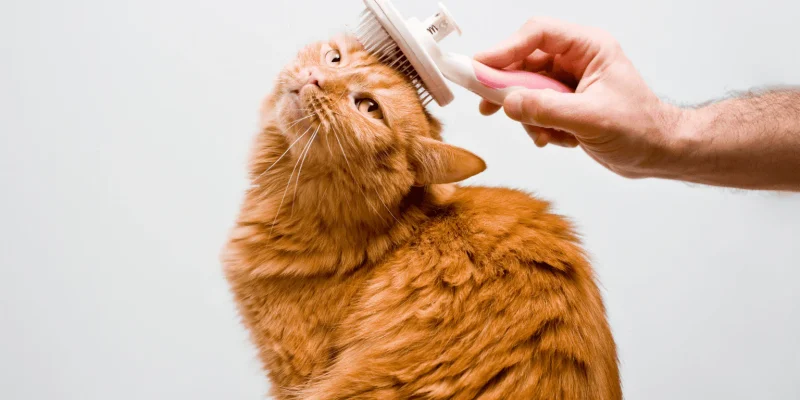
Acclimate your cat to regular claw trims from a young age. Using specialized pet nail clippers, gently press the top and bottom of the paw pad to extend the claw. Snip off just the translucent, sharp curved tip of the nail. Be extremely careful to avoid the pink area inside the nail, known as the quick, which contains active blood vessels and nerve endings. Trimming your cat’s claws every two to three weeks ensures they remain blunt, mitigating their ability to shred home fabrics.
Exploring Temporary Nail Caps
For persistent scratchers or during periods of moving into a new home, temporary vinyl nail caps can be an excellent management tool. These small, hollow caps are glued directly onto the trimmed claws using a safe, veterinary-grade adhesive. The caps are completely painless and do not interfere with the natural extension or retraction of the claws. As the natural nail sheath sheds, the caps fall off automatically, requiring replacement every four to six weeks.
Frequently Asked Questions
Does declawing my cat solve the scratching problem safely?
Declawing is not a simple nail removal procedure; it is a major surgical amputation that removes the last bone of each toe on a cat’s paw. This procedure causes severe post-operative pain, alters the animal’s natural balance, and can lead to long-term chronic arthritis, back pain, and severe behavioral problems like biting or litter box avoidance due to paw sensitivity. Declawing is considered inhumane and is banned in numerous countries and major cities. Proper training, regular claw trimming, and providing appropriate scratching surfaces are effective, humane alternatives.
Why does my cat scratch the floor right next to their food bowl?
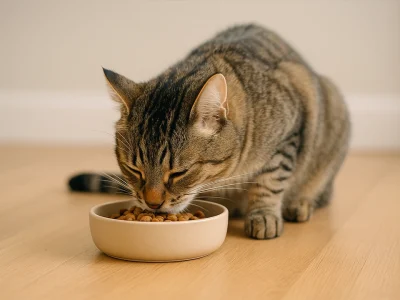
This behavior is driven by a deep-seated wild instinct known as caching. In nature, wild felines bury their leftover food scraps to hide the scent from competing predators and potential prey. When your domestic cat scratches the kitchen floor or tiles next to their dish, they are attempting to symbolically bury their remaining food for later consumption. This is completely harmless behavior and can be managed by using a heavy silicone feeding mat that stands up to pawing.
Can stress or anxiety cause a cat to start scratching more frequently?
Yes, a sudden escalation in destructive scratching often indicates increased stress, anxiety, or insecurity. Because scratching deposits personal pheromones that make a cat feel secure, they will often target prominent areas when their environment changes. Common triggers include moving to a new house, adding a new pet or family member, or even seeing outdoor stray cats through a window. Providing synthetic pheromone diffusers can help calm your cat and reduce anxiety-driven scratching.
Why does my cat stretch and scratch the sofa right when I come home from work?
This behavior is an emotional release and a greeting ritual. When you return home, your cat experiences a sudden surge of excitement and physical energy. Scratching the nearest prominent object allows them to relieve that emotional arousal, stretch out their muscles after a long nap, and re-establish their scent comfort zones in your presence. Placing a high-quality scratching post right inside your front entryway can capture this specific greeting energy perfectly.
My cat ignores catnip entirely; how else can I attract them to their post?
Approximately one-third of all domestic cats lack the genetic receptor required to respond to catnip. If your pet falls into this category, try using silvervine or Valerian root powder, which contain different active chemical compounds that appeal to a wider percentage of felines. Alternatively, you can use pieces of your own worn clothing draped over the post temporarily to blend your familiar scent with the new object, making it instantly appealing and safe to your cat.
Is leather or fabric upholstery better for homes with cats?
Genuine leather and faux leather are highly attractive targets for many cats because their claws puncture the surface easily, leaving highly visible permanent puncture marks. Microfiber and ultra-suede fabrics are widely considered the best options for cat owners. These synthetic materials feature a tightly woven, dense loop profile that offers zero traction for a cat’s claws. Because their nails cannot easily penetrate or grip the fabric, cats find it unsatisfying and typically lose interest in scratching it entirely.
How can I stop my cat from scratching at the bedroom door at night?
Cats scratch at closed doors because they dislike being restricted from parts of their territory and may want your attention. The most effective approach is to install a heavy-duty plastic door shield over the lower half of the door to protect the wood, and completely ignore the behavior. If you open the door, yell, or talk to the cat, you are reinforcing the behavior with attention. Consistency is key; once the cat realizes that scratching at the door yields zero interaction, the behavior will eventually cease.